Building a Zero-to-One Wallet Ecosystem

Merging disparate reward systems and refund loops into a single, unified wallet ecosystem to streamline operations and drive repeat purchase behavior.

Fintech

Retention Strategy

System Design

Building a Zero-to-One Wallet Ecosystem

Merging disparate reward systems and refund loops into a single, unified wallet ecosystem to streamline operations and drive repeat purchase behavior.

Fintech

Retention Strategy

System Design

Building a Zero-to-One Wallet Ecosystem

Merging disparate reward systems and refund loops into a single, unified wallet ecosystem to streamline operations and drive repeat purchase behavior.

Fintech

Retention Strategy

System Design

OVERVIEW

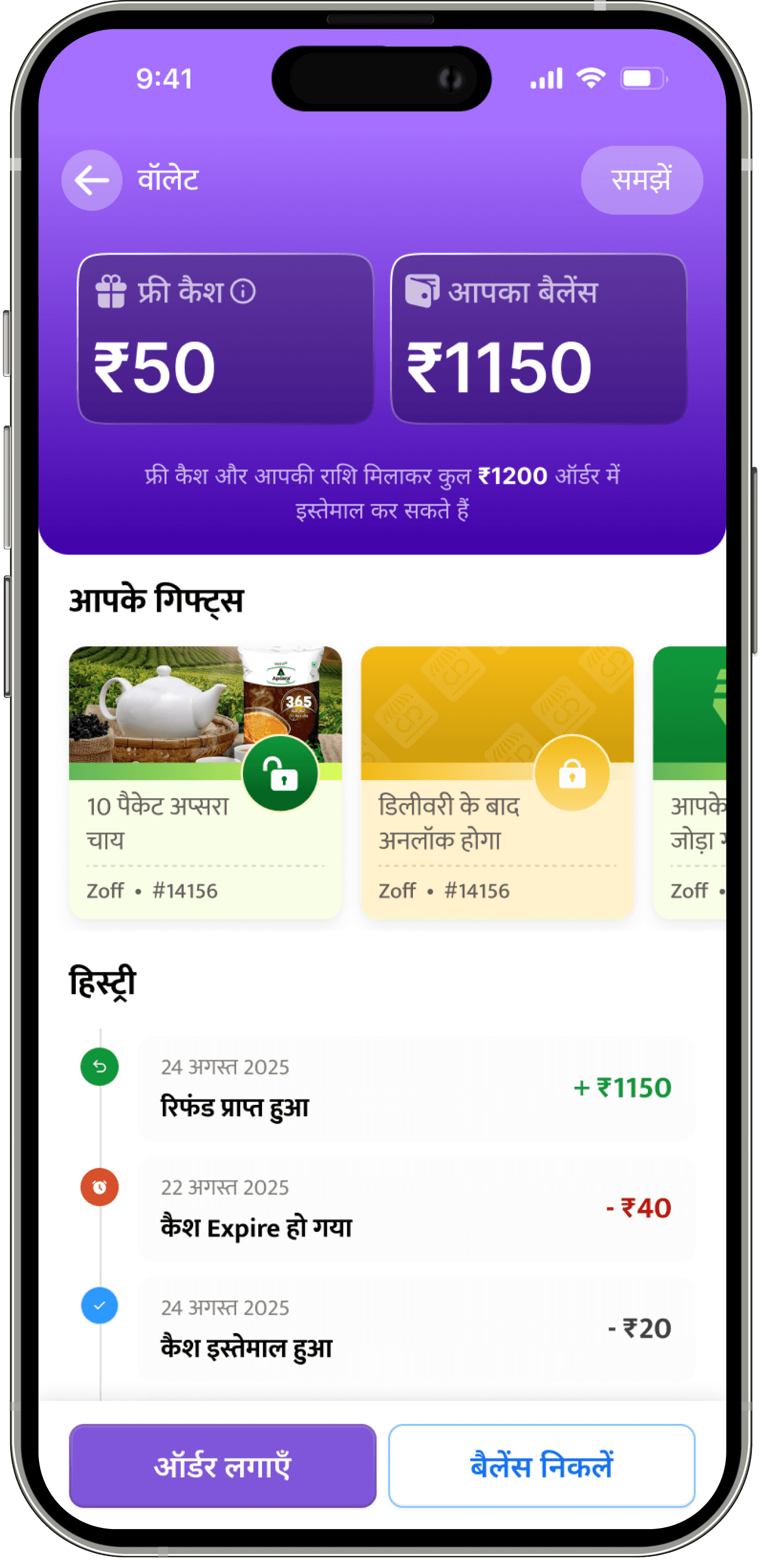
Our app faced a "fragmented value" problem. We had a community wallet for participation rewards, a new cashback initiative to drive retention, and a growing user demand for faster refunds. Users were juggling multiple balances with different rules, leading to confusion and friction. We needed to unify these financial streams into one cohesive wallet that empowered users to spend, save, or withdraw without ambiguity.

CHALLENGES

  • Siloed Value: Users had "Community Money" and "Store Cashback" living in separate ecosystems, making their total purchasing power unclear.

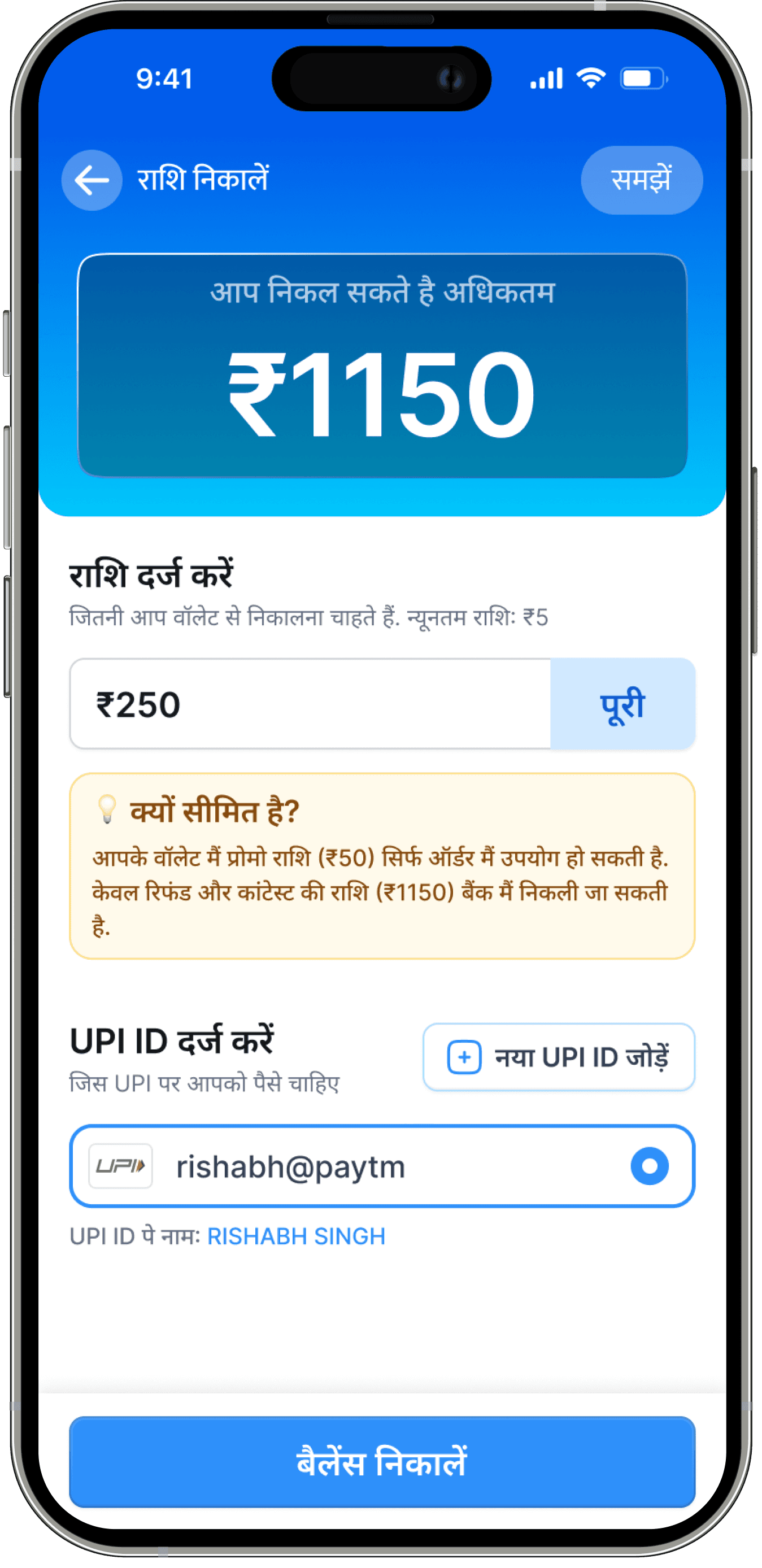
  • Rule Complexity: Different funds had different rules, refunds and community wins were withdrawable, while promotional cashback was locked to store credit.

  • Refund Friction: Users were frustrated by the delay in bank refunds, requesting a faster, in-app alternative to keep the money ready for their next order.

  • Checkout Ambiguity: Users often didn't know which balance was being applied to an order, leading to a feeling of loss of control during payment.

GOALS

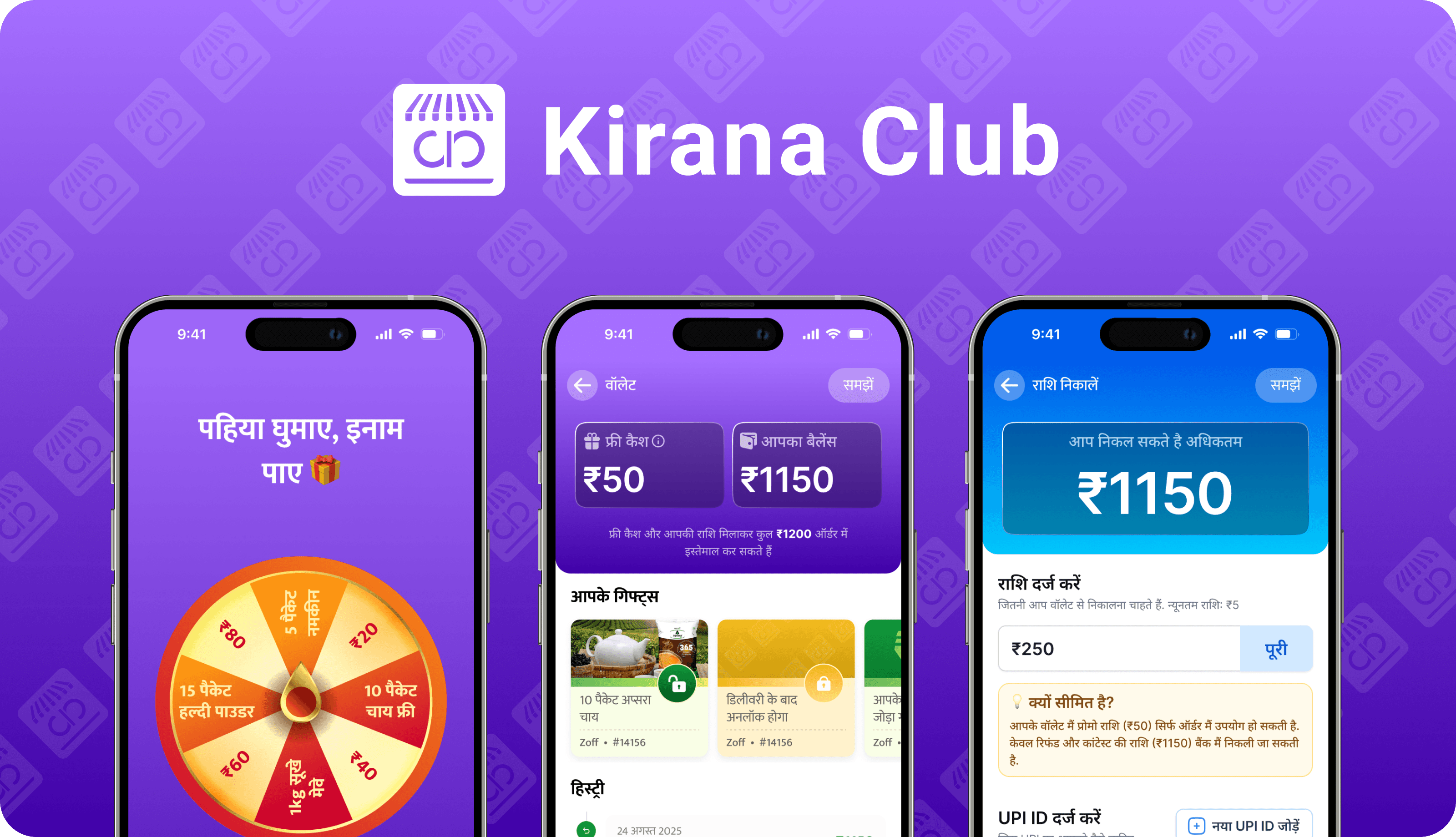
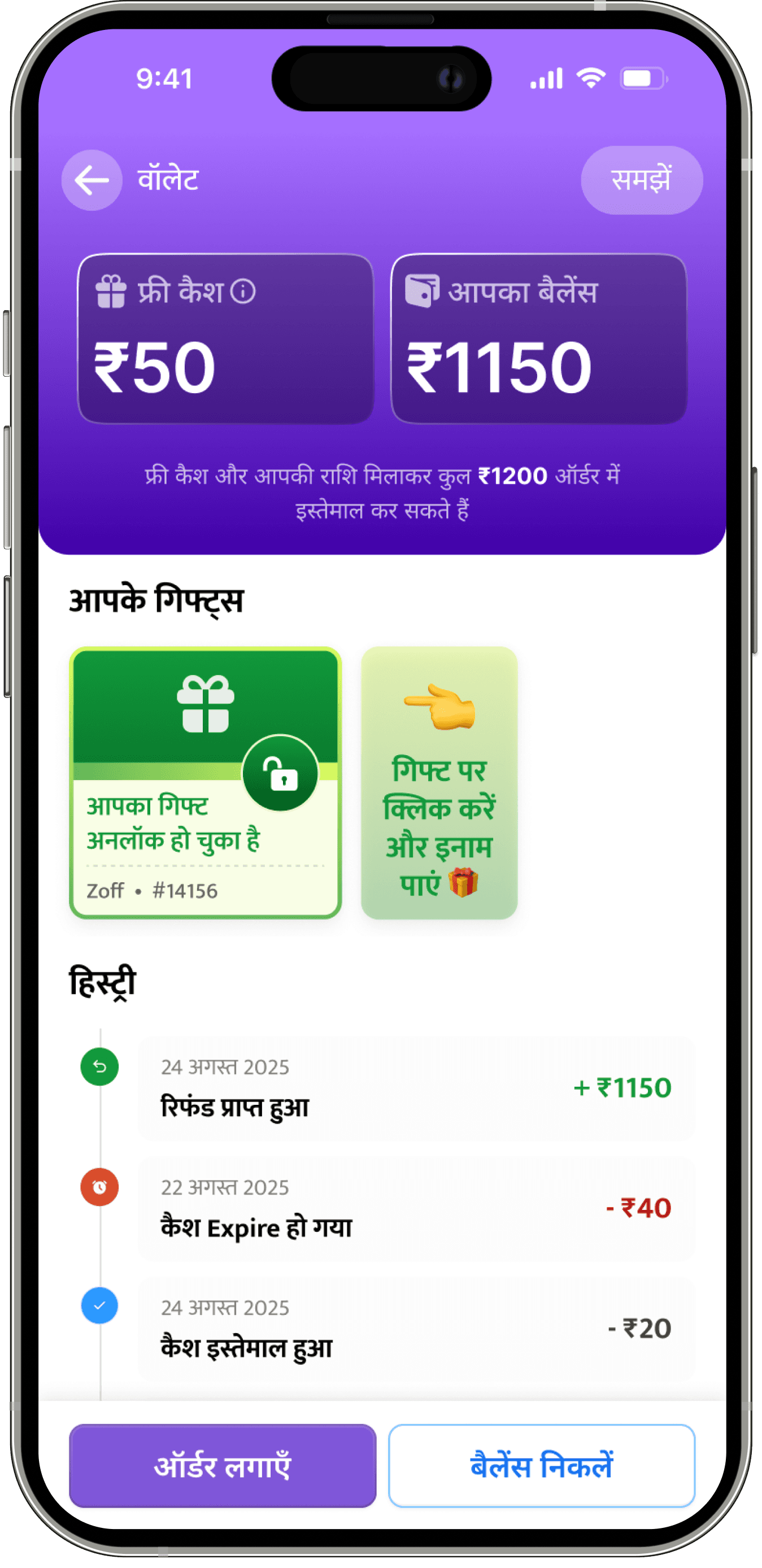
  • Unified Dashboard: Create a single "Total Balance" view that intelligently bifurcates funds based on their liquidity (Withdrawable vs. Credits).

  • Instant Recirculation: Enable instant refunds directly to the wallet to turn a return scenario into a future purchase opportunity.

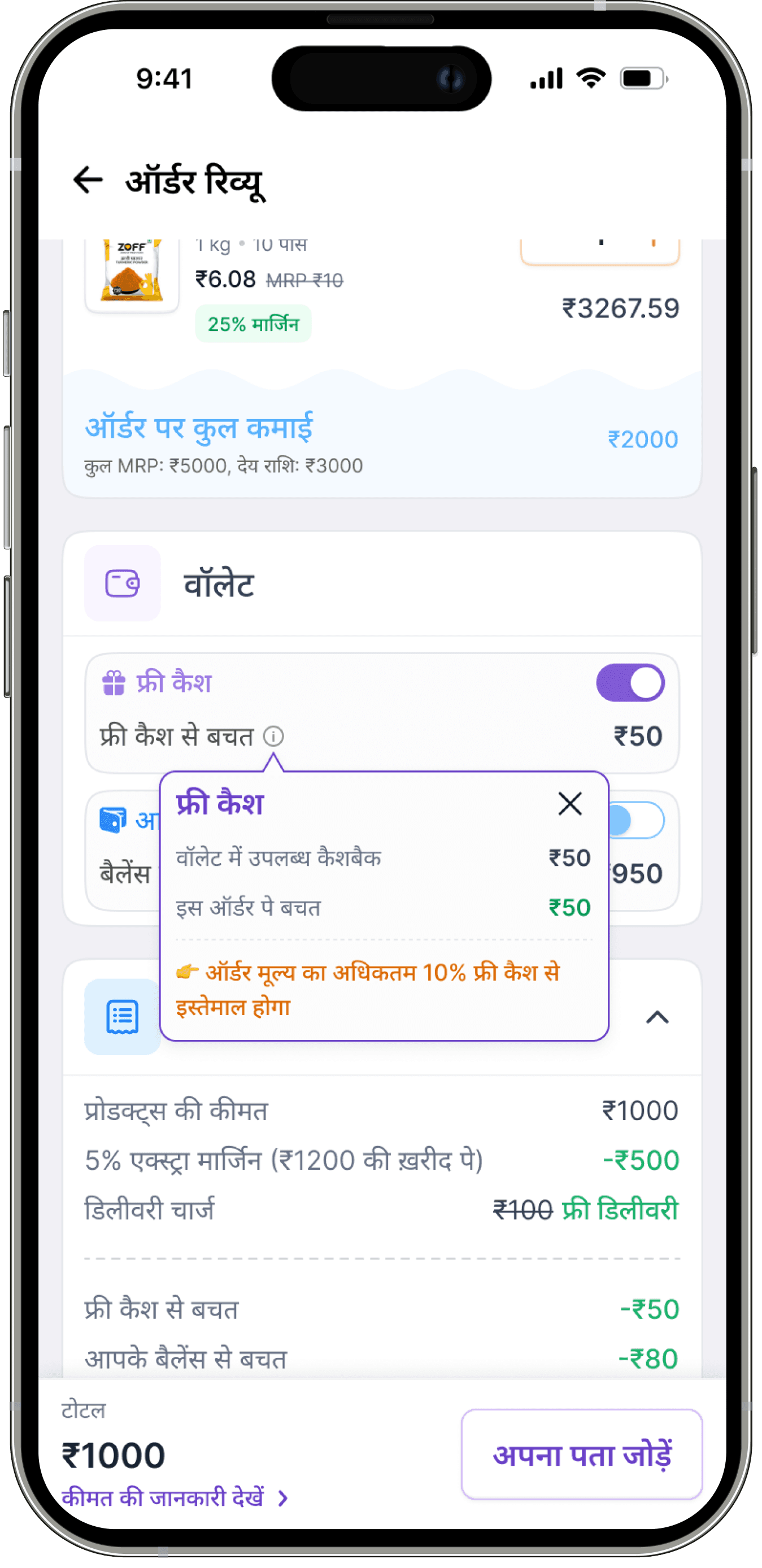
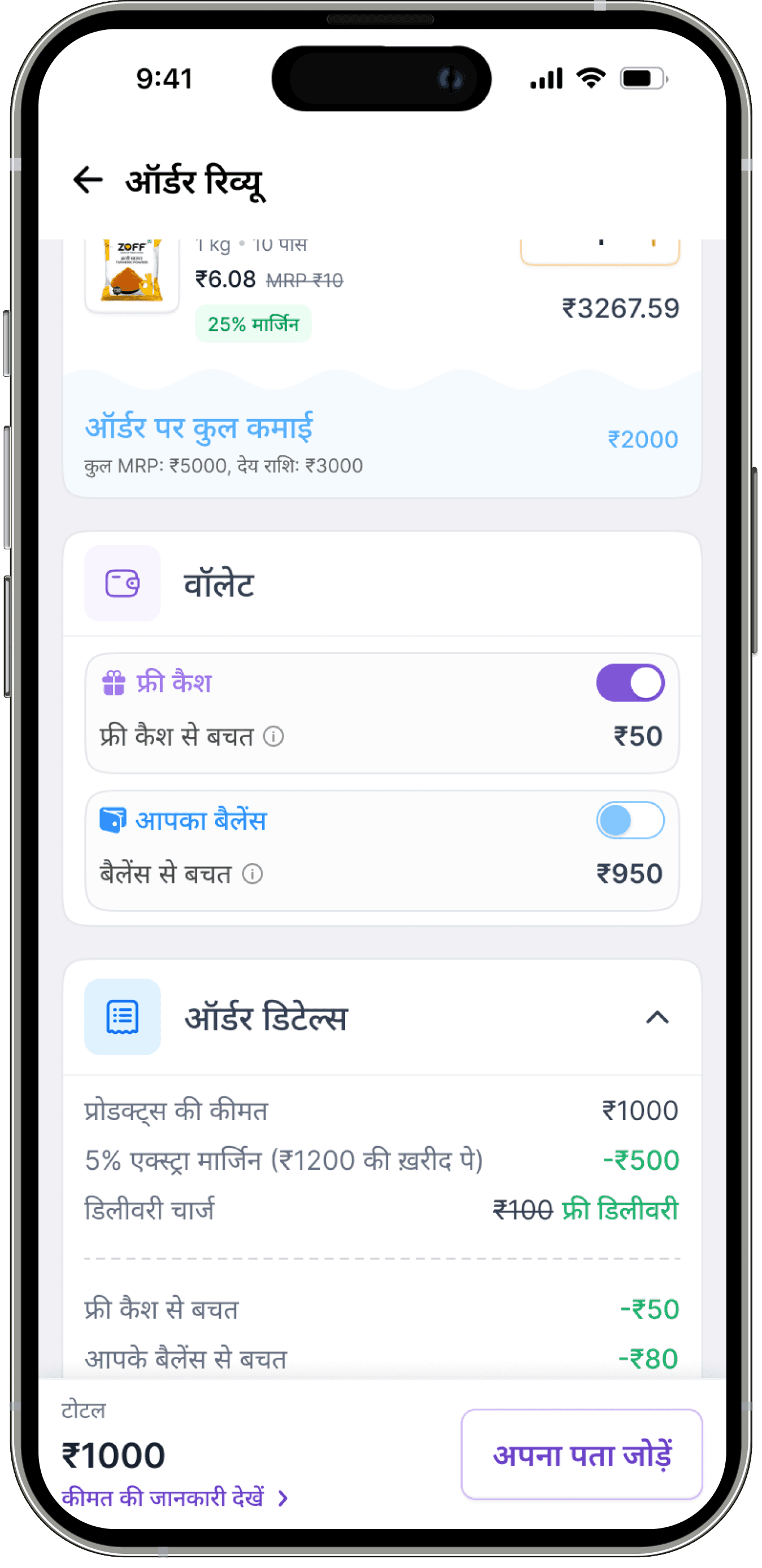
  • Granular Control: redesign the checkout experience to give users explicit toggles on how and which part of their balance is used for payment.

MY ROLE

Lead Product Designer I led the structural redesign of the wallet system. My focus was on the information architecture, how to present complex financial rules simply and the interaction design for the checkout controls.

I worked closely with the product and engineering teams to map out the logic for merging the two backend wallet systems into one frontend experience.

DURATION

5 Weeks (Concept to Integration)
TAKEAWAYS & LEARNINGS

💰

Not All Money is Equal

We learned that users mentally categorize money. "Refunds" are theirs, while "Cashback" is a gift. Visually separating these "buckets" within the UI was crucial for trust, even if the total balance was unified.

😰

Designing Pressure is Intentional

Replicating interview anxiety isn’t just UX, it’s psychology. Timers, interruptions, and limited tools had to feel stressful but fair.

😰

Designing Pressure is Intentional

Replicating interview anxiety isn’t just UX, it’s psychology. Timers, interruptions, and limited tools had to feel stressful but fair.

🎛️

Control Beats Automation

Initially, we auto-applied the maximum wallet balance. Users hated it. They wanted to "save" their credits for big purchases. Adding toggle controls at checkout increased satisfaction and perceived value.

🧠

Multimodal = Modular Thinking

Initially, we auto-applied the maximum wallet balance. Users hated it. They wanted to "save" their credits for big purchases. Adding toggle controls at checkout increased satisfaction and perceived value.

🧠

Multimodal = Modular Thinking

Initially, we auto-applied the maximum wallet balance. Users hated it. They wanted to "save" their credits for big purchases. Adding toggle controls at checkout increased satisfaction and perceived value.

Speed Turns Negatives to Positives

Refunds are usually a negative touchpoint. By making wallet refunds instant, we flipped the script, users felt relieved and immediately ready to shop again, rather than waiting on their bank.

Speed Turns Negatives to Positives

Refunds are usually a negative touchpoint. By making wallet refunds instant, we flipped the script, users felt relieved and immediately ready to shop again, rather than waiting on their bank.

Speed Turns Negatives to Positives

Refunds are usually a negative touchpoint. By making wallet refunds instant, we flipped the script, users felt relieved and immediately ready to shop again, rather than waiting on their bank.

🔍

Transparency Reduces Anxiety

When merging wallets, users fear losing money. We learned that an over-communicative transaction history (showing exactly where every penny came from and went) was non-negotiable for adoption.

🔍

Transparency Reduces Anxiety

When merging wallets, users fear losing money. We learned that an over-communicative transaction history (showing exactly where every penny came from and went) was non-negotiable for adoption.

🔍

Transparency Reduces Anxiety

When merging wallets, users fear losing money. We learned that an over-communicative transaction history (showing exactly where every penny came from and went) was non-negotiable for adoption.

🔗

The "Ecosystem" Effect

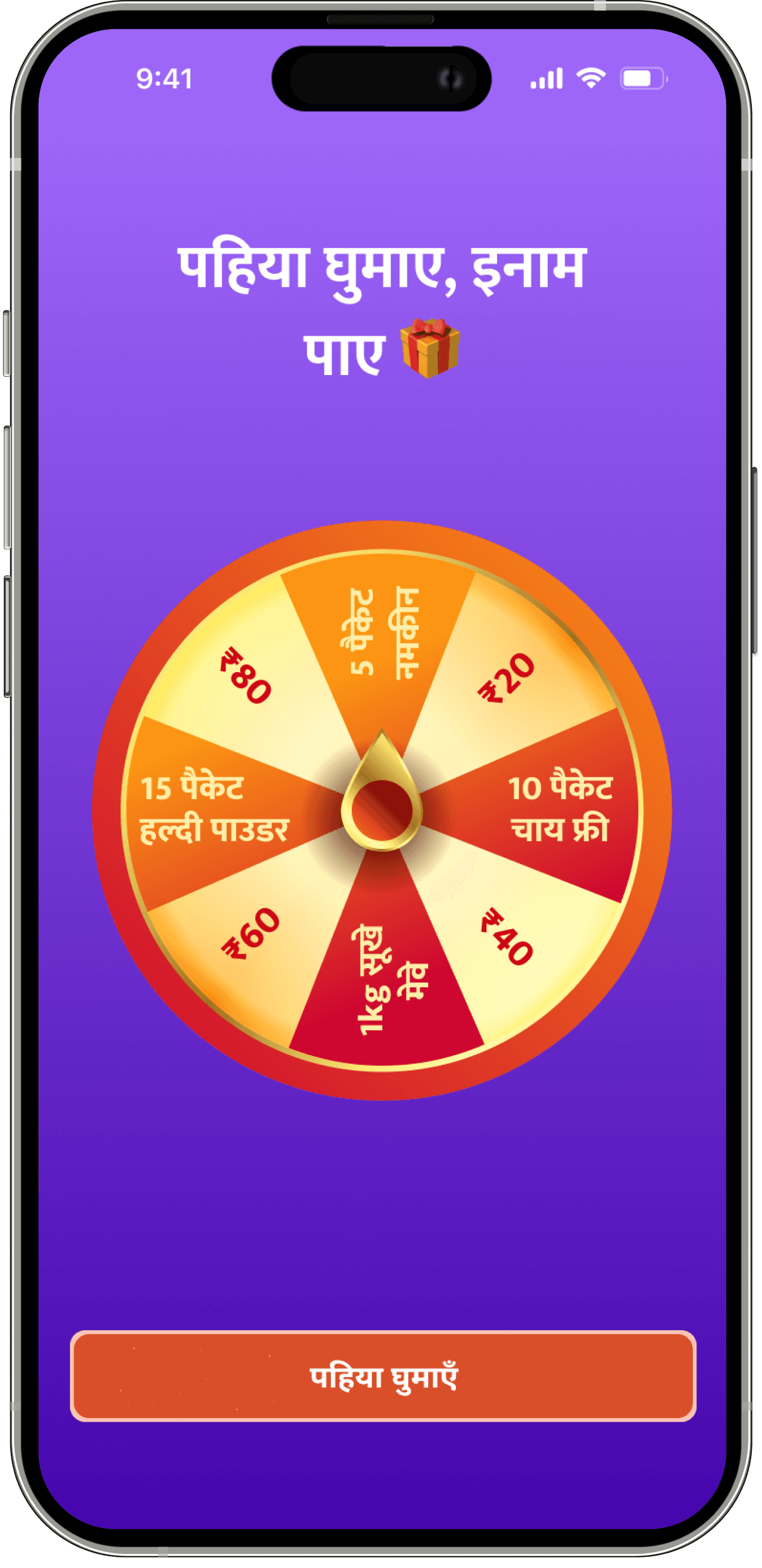
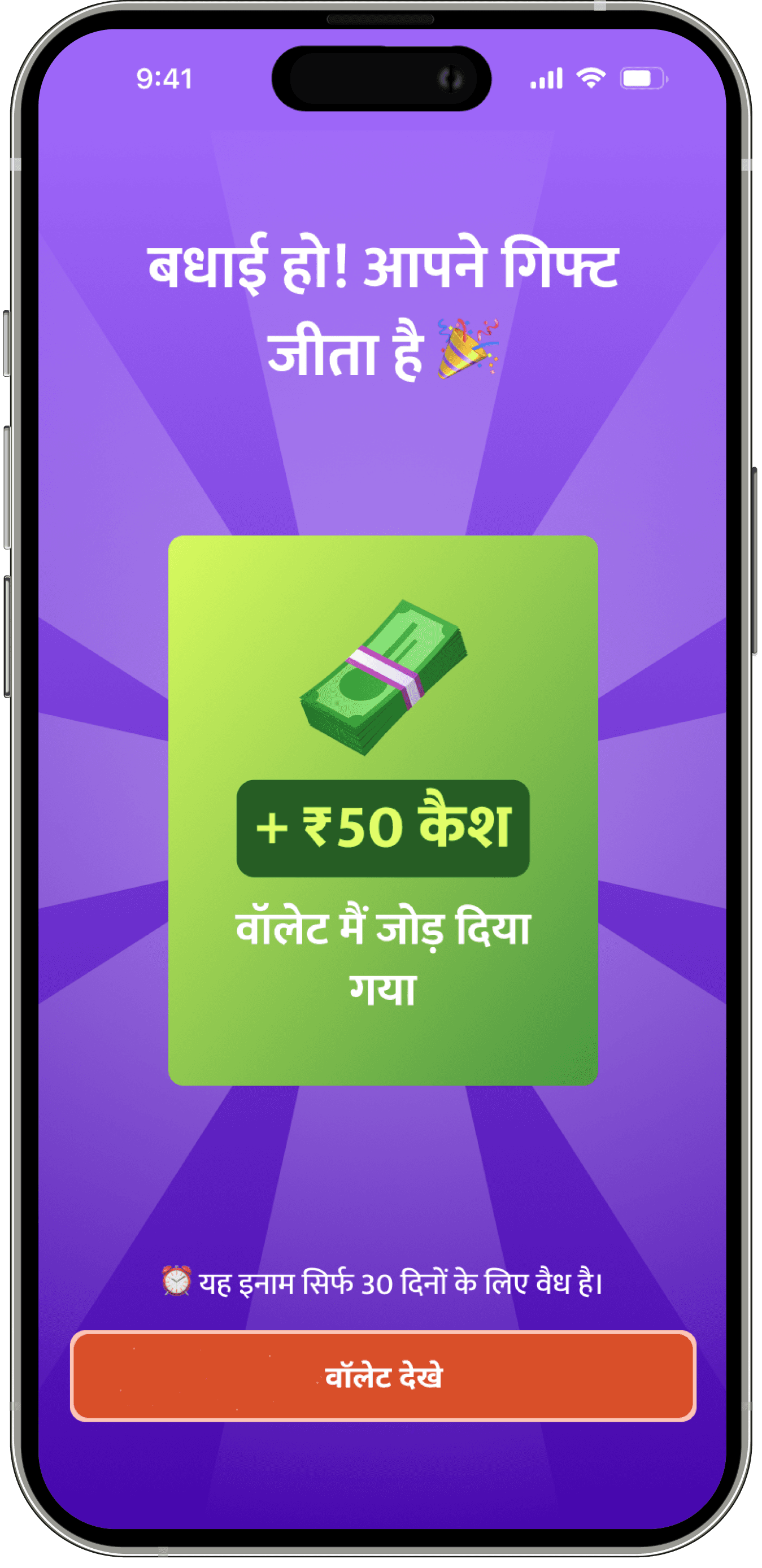
Merging the "Community" wallet with the "Shopping" wallet had a side effect: shoppers started participating in community events just to earn credits they could now easily see and spend.

🔗

The "Ecosystem" Effect

Merging the "Community" wallet with the "Shopping" wallet had a side effect: shoppers started participating in community events just to earn credits they could now easily see and spend.

🔗

The "Ecosystem" Effect

Merging the "Community" wallet with the "Shopping" wallet had a side effect: shoppers started participating in community events just to earn credits they could now easily see and spend.

🛑

Friction Can Be Good (Again)

We added deliberate friction when users tried to withdraw funds, showing them the benefits of keeping it in the ecosystem (e.g., extra 2% value). This simple UI nudge reduced withdrawal rates without blocking the user.

🛑

Friction Can Be Good (Again)

We added deliberate friction when users tried to withdraw funds, showing them the benefits of keeping it in the ecosystem (e.g., extra 2% value). This simple UI nudge reduced withdrawal rates without blocking the user.

🛑

Friction Can Be Good (Again)

We added deliberate friction when users tried to withdraw funds, showing them the benefits of keeping it in the ecosystem (e.g., extra 2% value). This simple UI nudge reduced withdrawal rates without blocking the user.

Copyright @2025

Made with

&

with ❤️ & ☕

Make it Pop!

Copyright @2025

Made with

&

with ❤️ & ☕

Make it Pop!

Copyright @2025

Made with

&

with ❤️ & ☕

Make it Pop!