





MY ROLE
Lead Product Designer
End-to-end ownership across research, architecture, and interaction design, shipped directly with engineering
TIMELINE
Feb → Mar 2025
2 Major Releases within 6 weeks
Live in Production


the problem
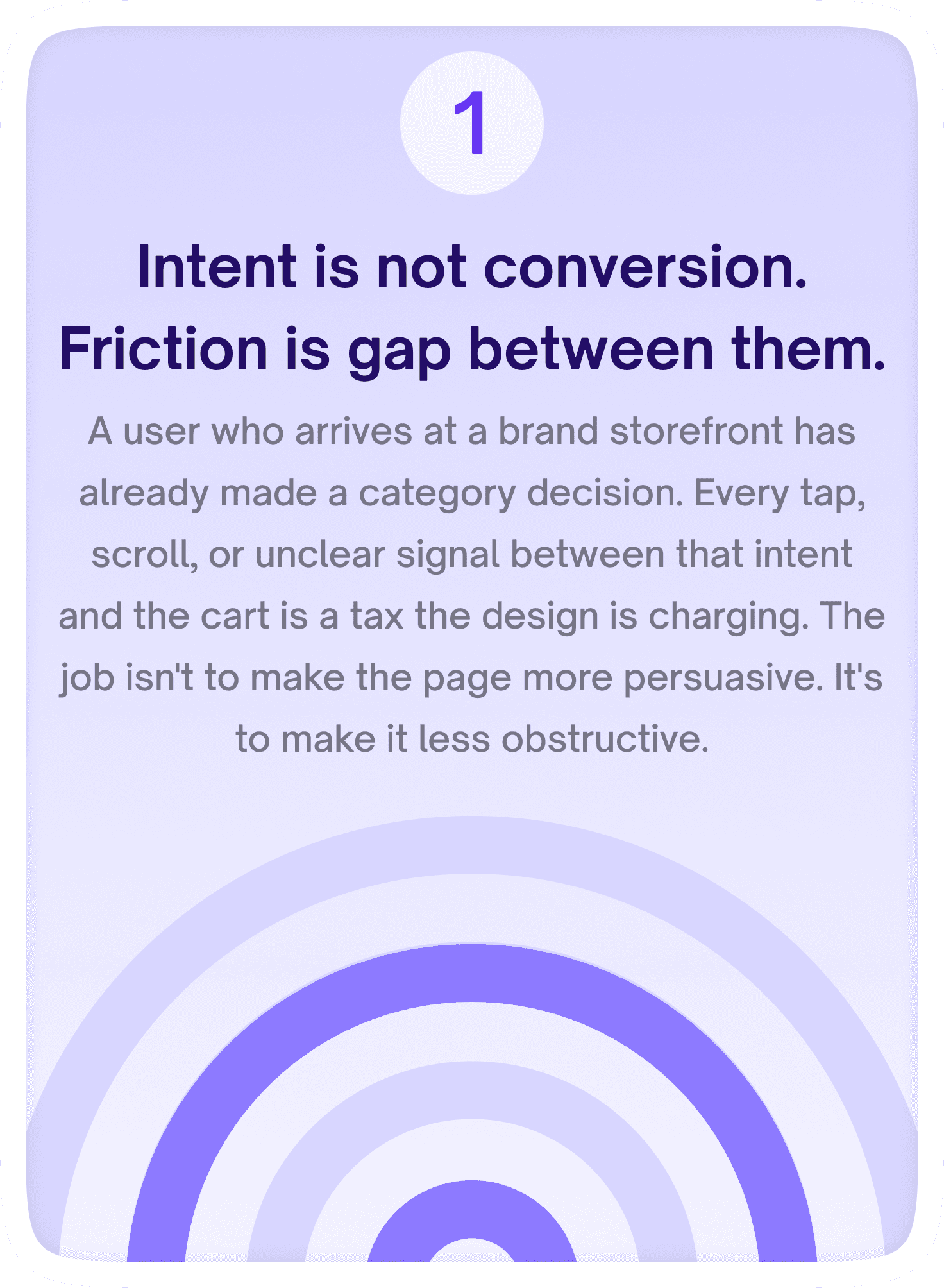
The PLP had traffic. It had intent, people arriving at a brand storefront have already made a category decision. What it didn't have was efficiency. Selecting a variant required multiple taps. The layout forced excessive scrolling to see product range. Minimum order value thresholds, the mechanic that drives basket size, were displayed as static text that most users never registered. And for newer brands, there was no trust signal in sight: no ratings, no social proof, no reason to commit.
The result showed up cleanly in the funnel. Only 1 in 5 users who loaded the PLP added anything to their cart. Of those, fewer than 1 in 5 made it through to checkout. End-to-end, only 1.12% of PLP visitors placed an order.
The reframe: This wasn't a discovery problem. Users already knew what they wanted. It was a friction problem — the interface was charging a tax on every decision, and enough users refused to pay it.
phase 1: the redesign
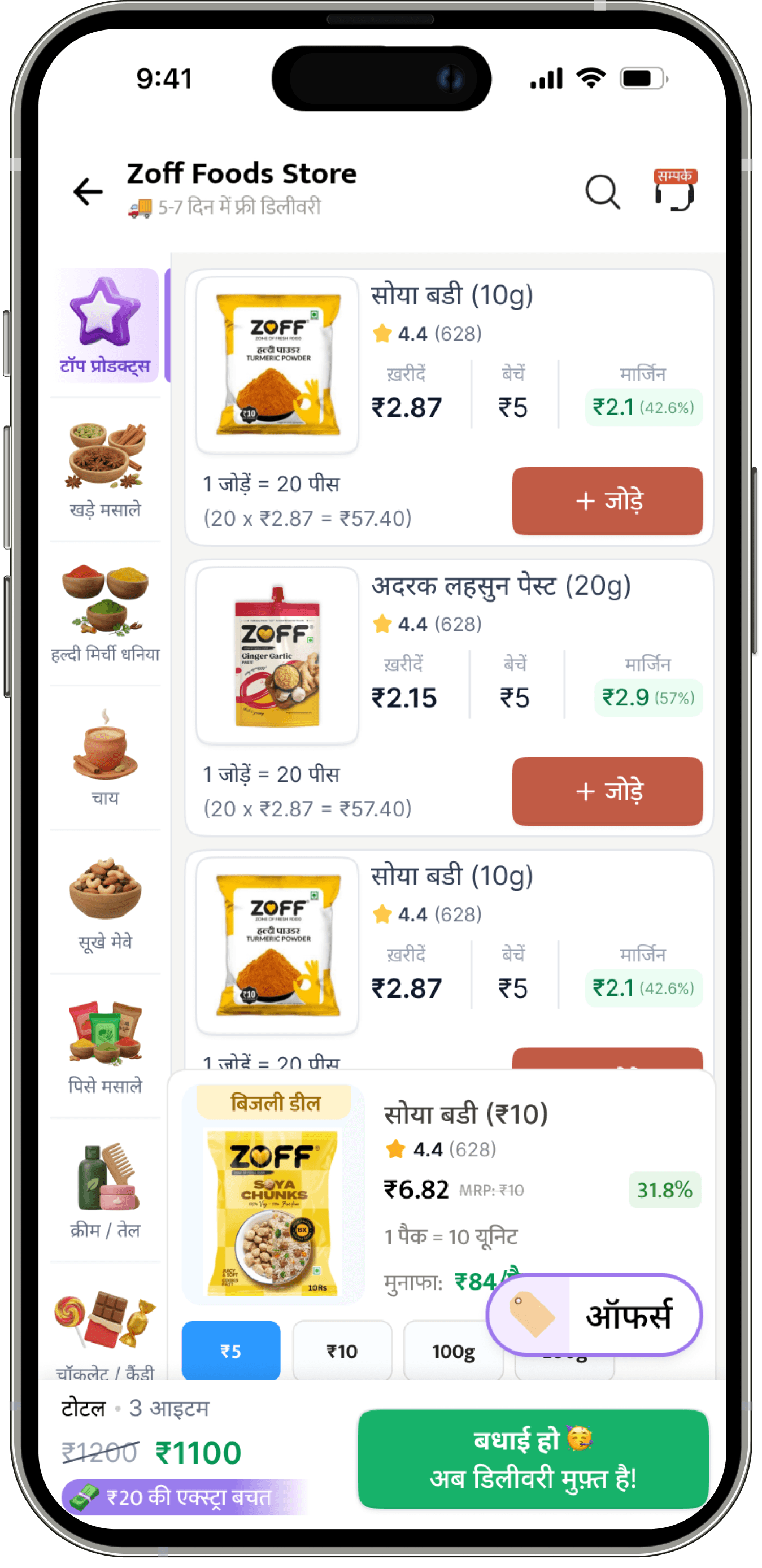
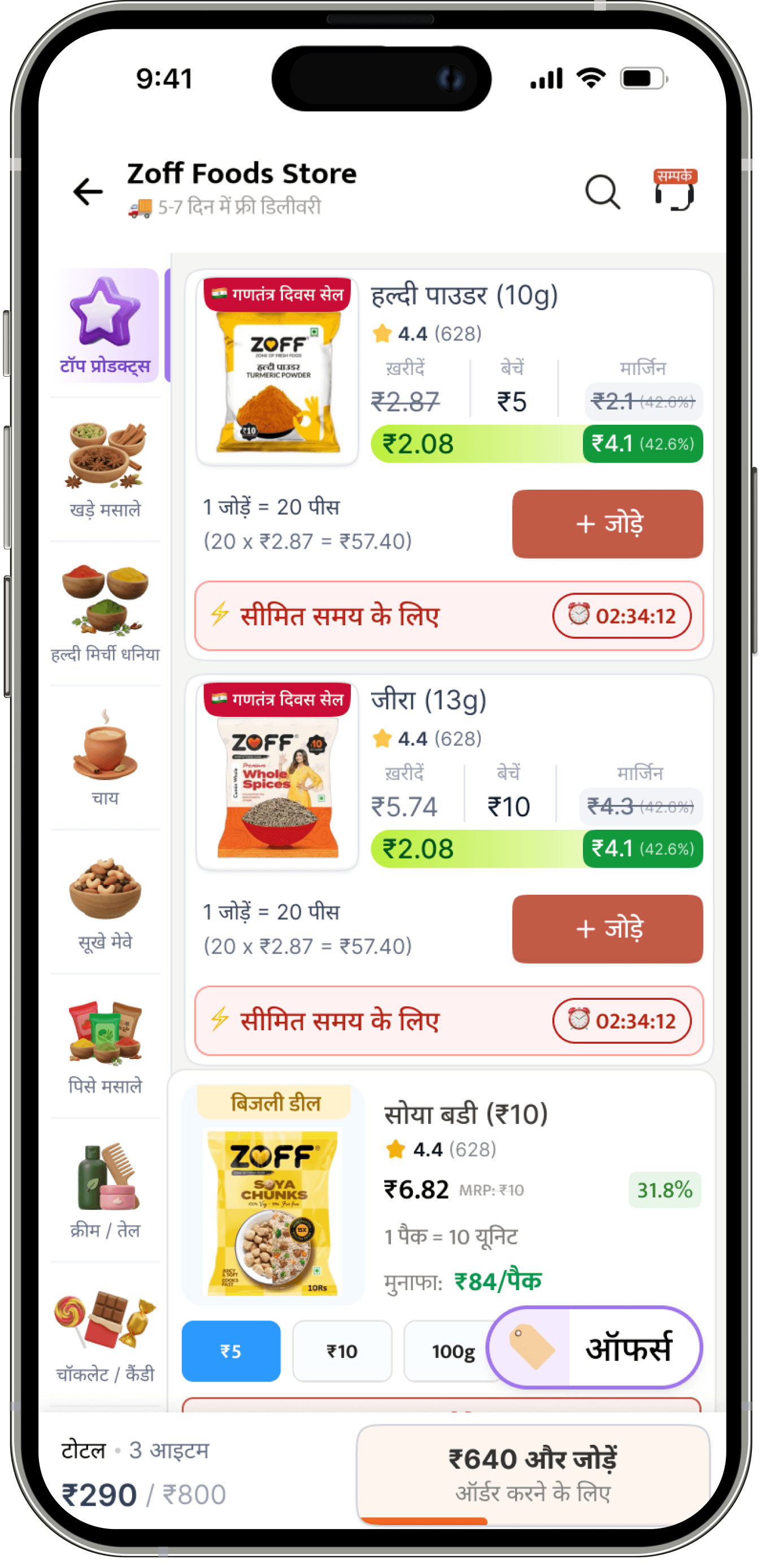
The grid switch: The single-column list became a two-column grid. Not because two columns looks better, because the page's job is to let users compare and decide across a range. A single column made that sequential. The grid made it simultaneous. Fewer scrolls to see the same catalogue, more products in peripheral vision at once.
Inline variant selection: Variant selectors moved onto the card itself. The previous flow required tapping into a product detail page to change size or weight, a context switch that broke momentum for bulk buyers who already knew what they wanted. Inline selection makes the variant decision and the add-to-cart decision the same gesture.
Rotating trust tags: Static product labels became dynamic. A single tag slot on each card rotates across offer information, sales signals, and authenticity markers, ratings snippets, bestseller indicators, active discount callouts. The same real estate does more work without adding visual noise. The signal updates without the user having to look harder.
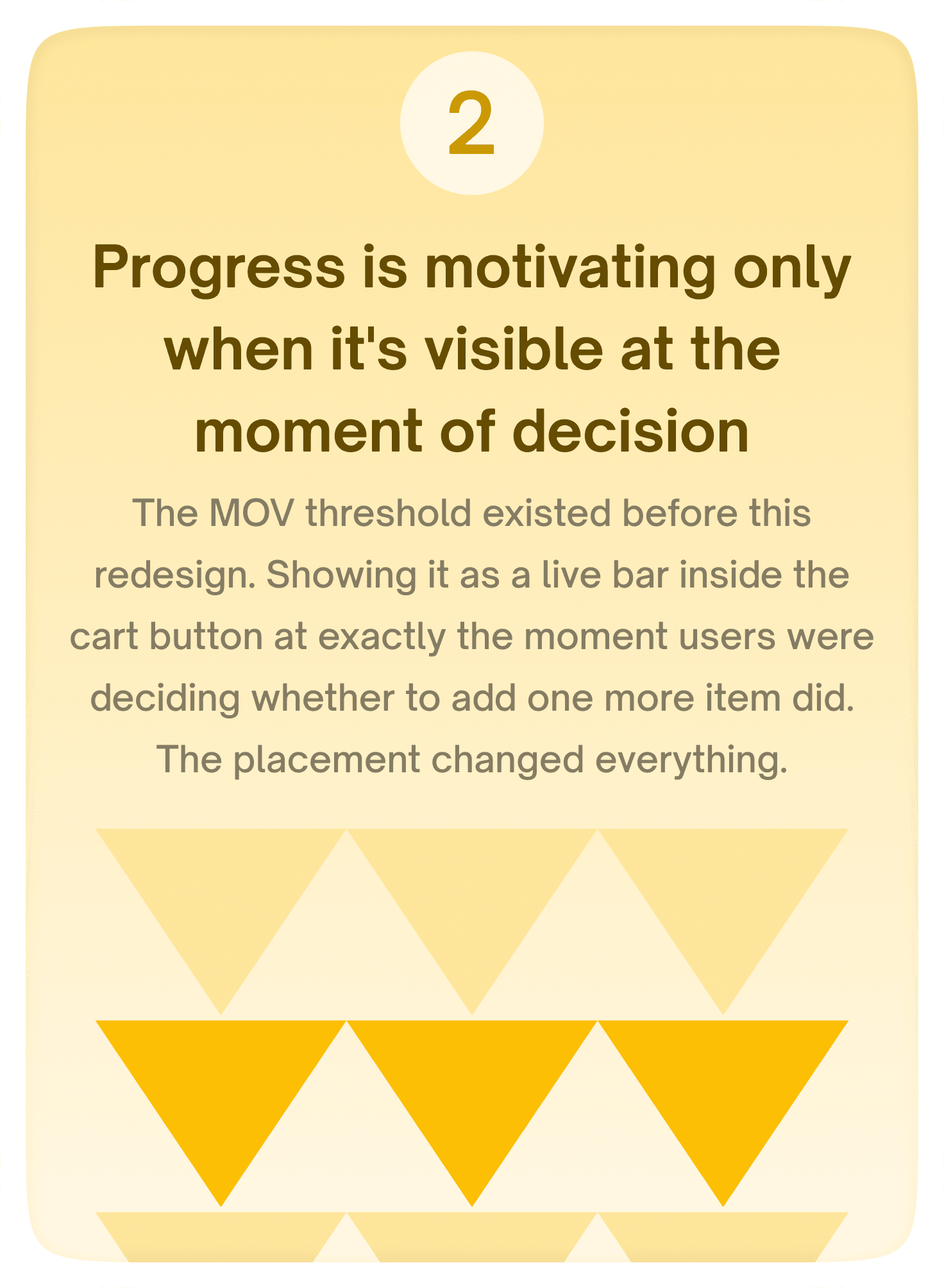
The MOV progress bar: The minimum order value indicator stopped being a number and became a progress bar, live, in the floating cart button, updating as users add items. The design question wasn't whether to show progress. It was where. Putting it in the cart button meant it was visible at the exact moment users were deciding whether to add one more item. That placement is the mechanic.
PHASE 2: THE CHECKOUT
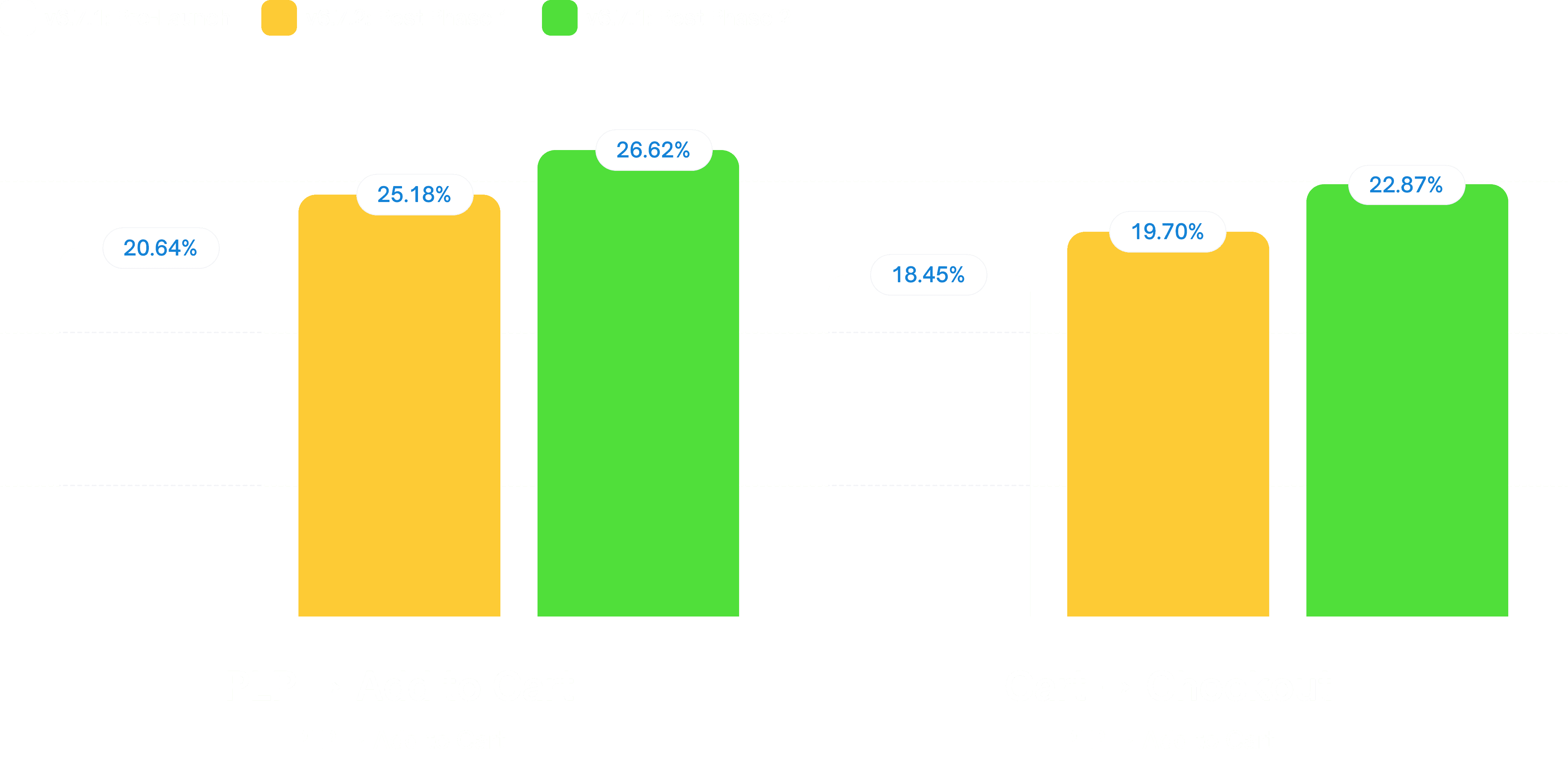
The problem that remained: After the PLP redesign shipped, funnel data confirmed what the analysis had predicted: ATC rate jumped from 20.6% to 25.2%. But the cart-to-checkout step, the moment users reviewed their basket and decided to proceed, was still the narrowest point in the funnel at 19.7%. Users were adding products. They weren't committing.
The tension: Checkout is a trust moment, not an efficiency moment. Users are about to hand over money and an address. The instinct is to add information, order summaries, reassurance copy, delivery estimates. But the previous checkout was already dense. Adding more content would make it heavier, not clearer. The problem wasn't missing information. It was information hierarchy.
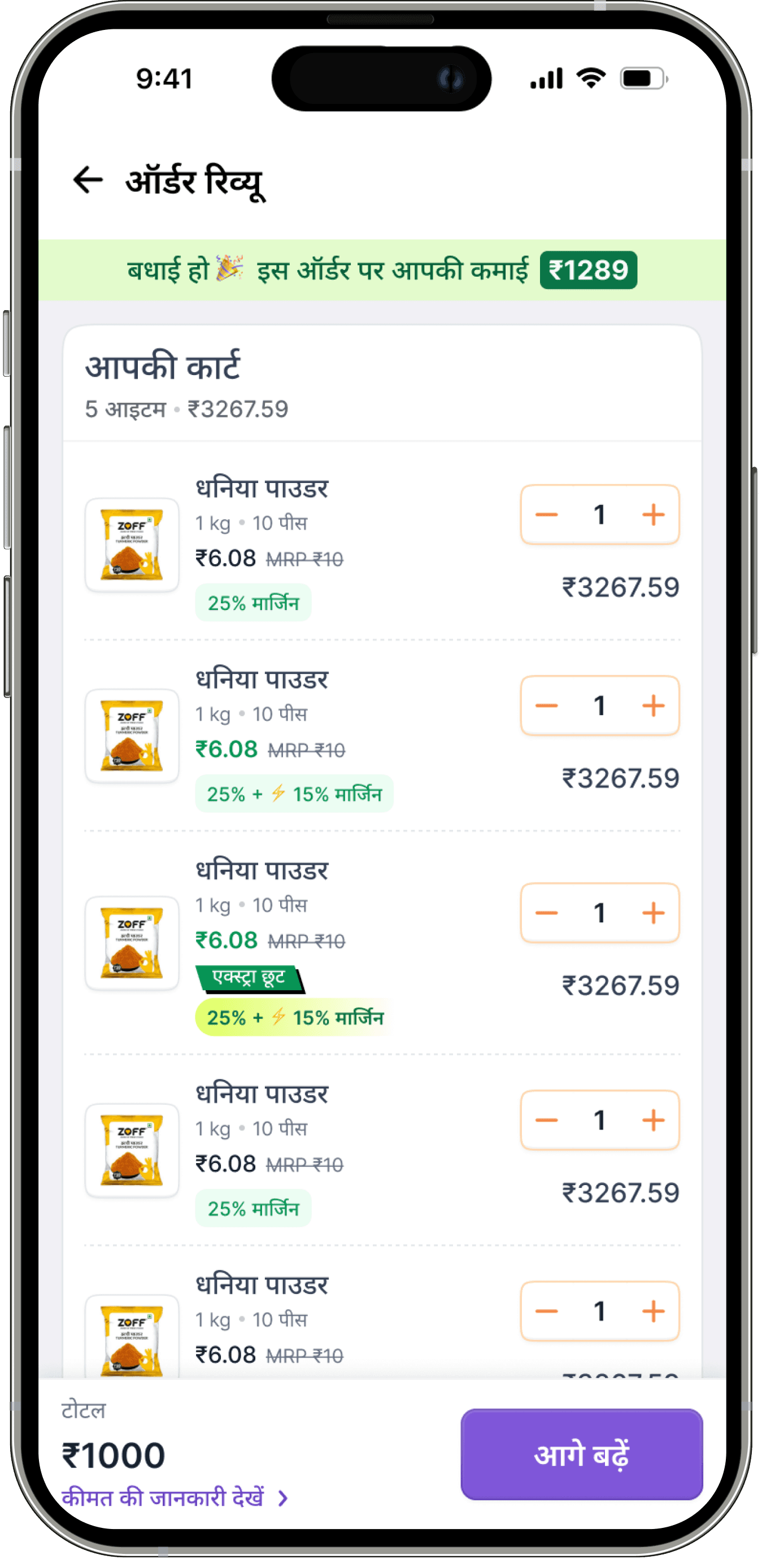
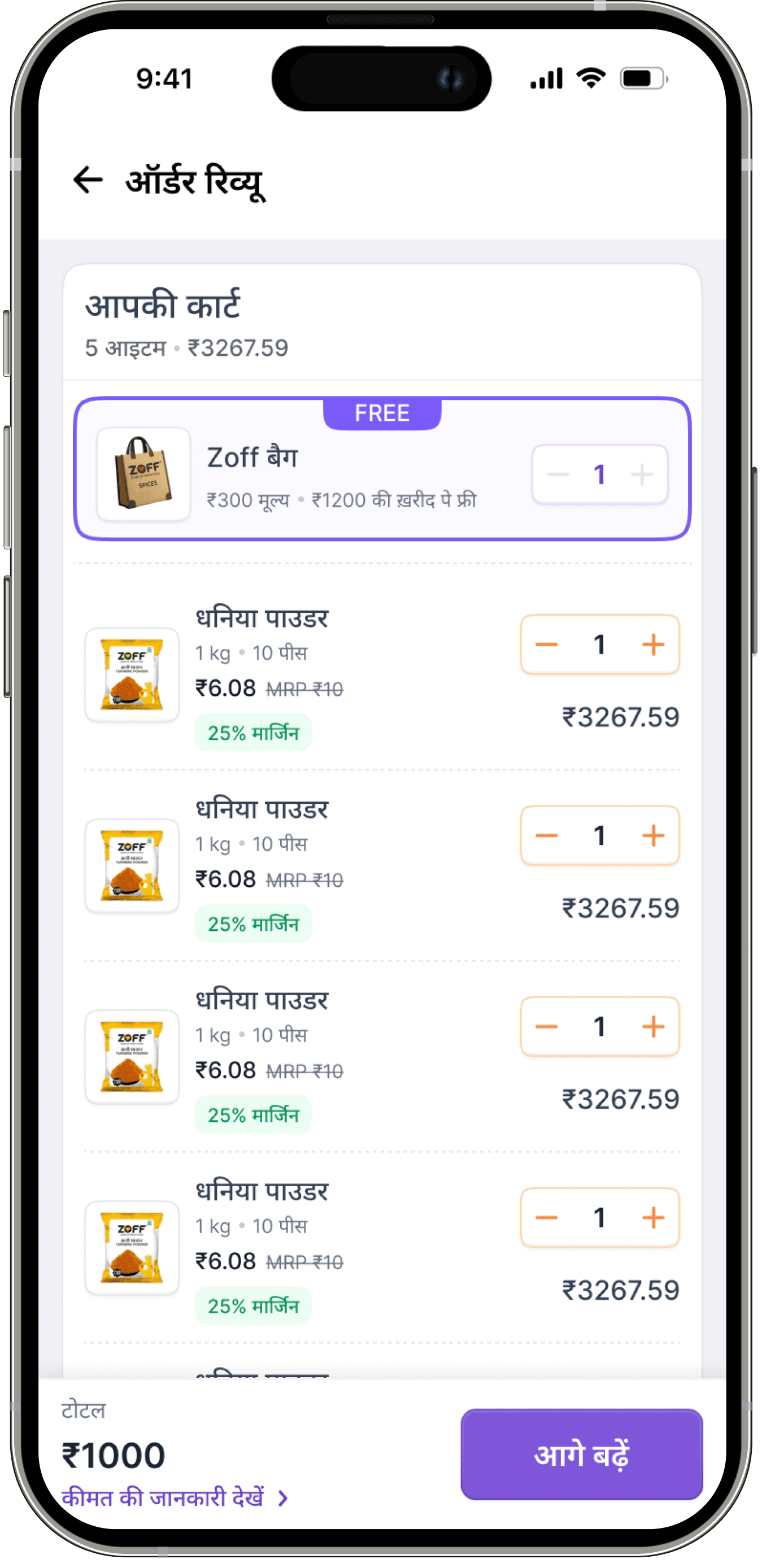
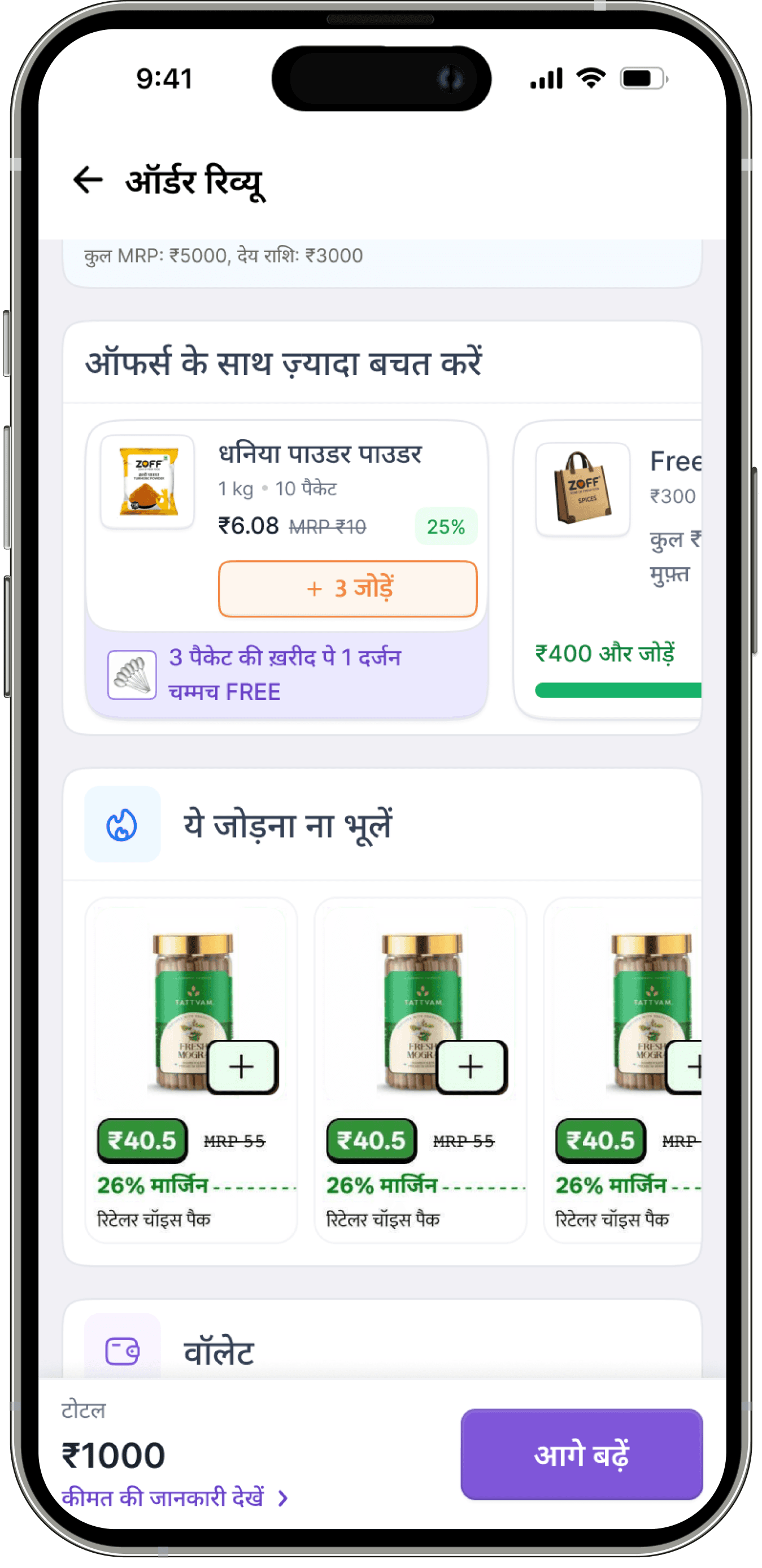
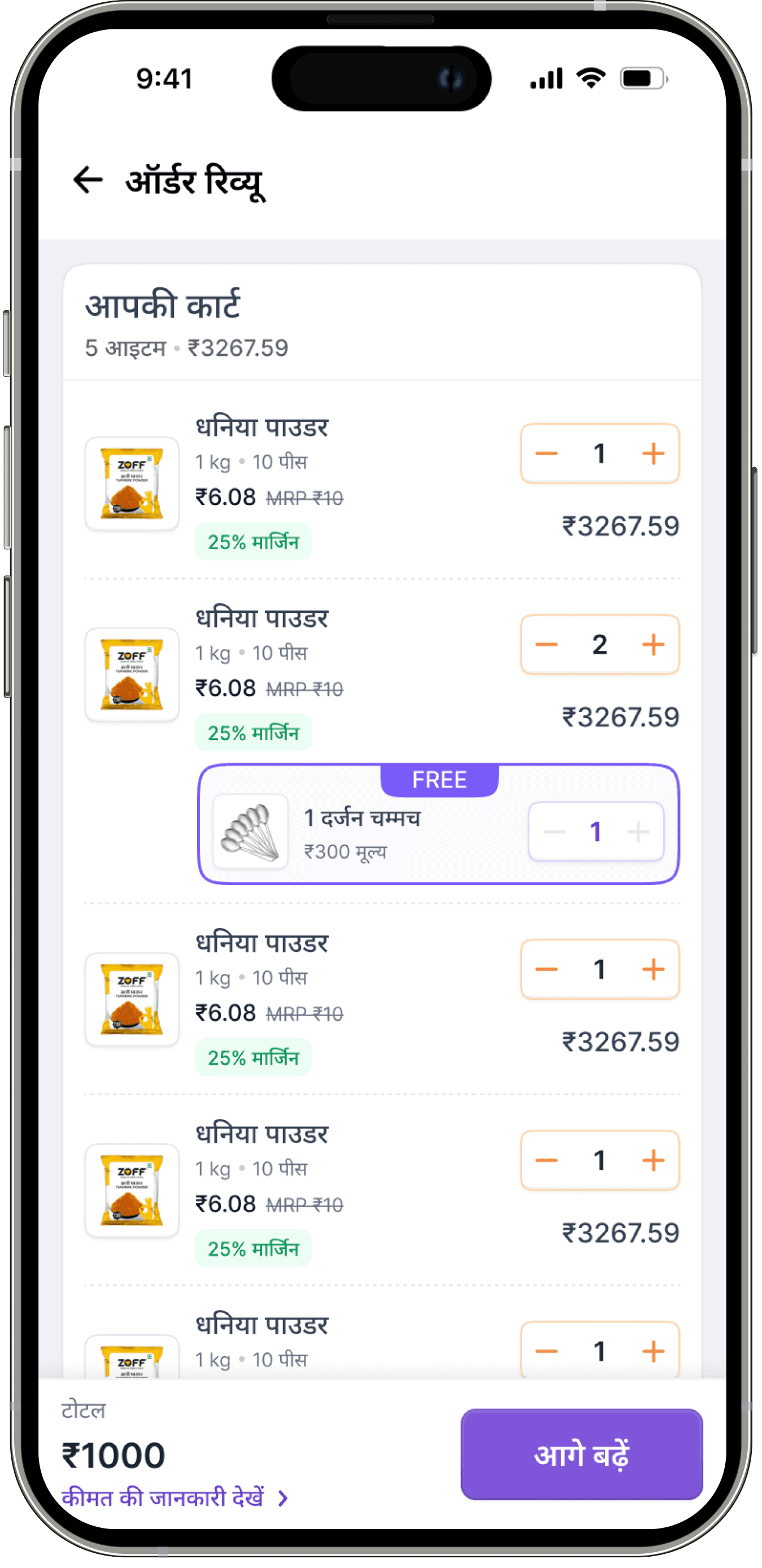
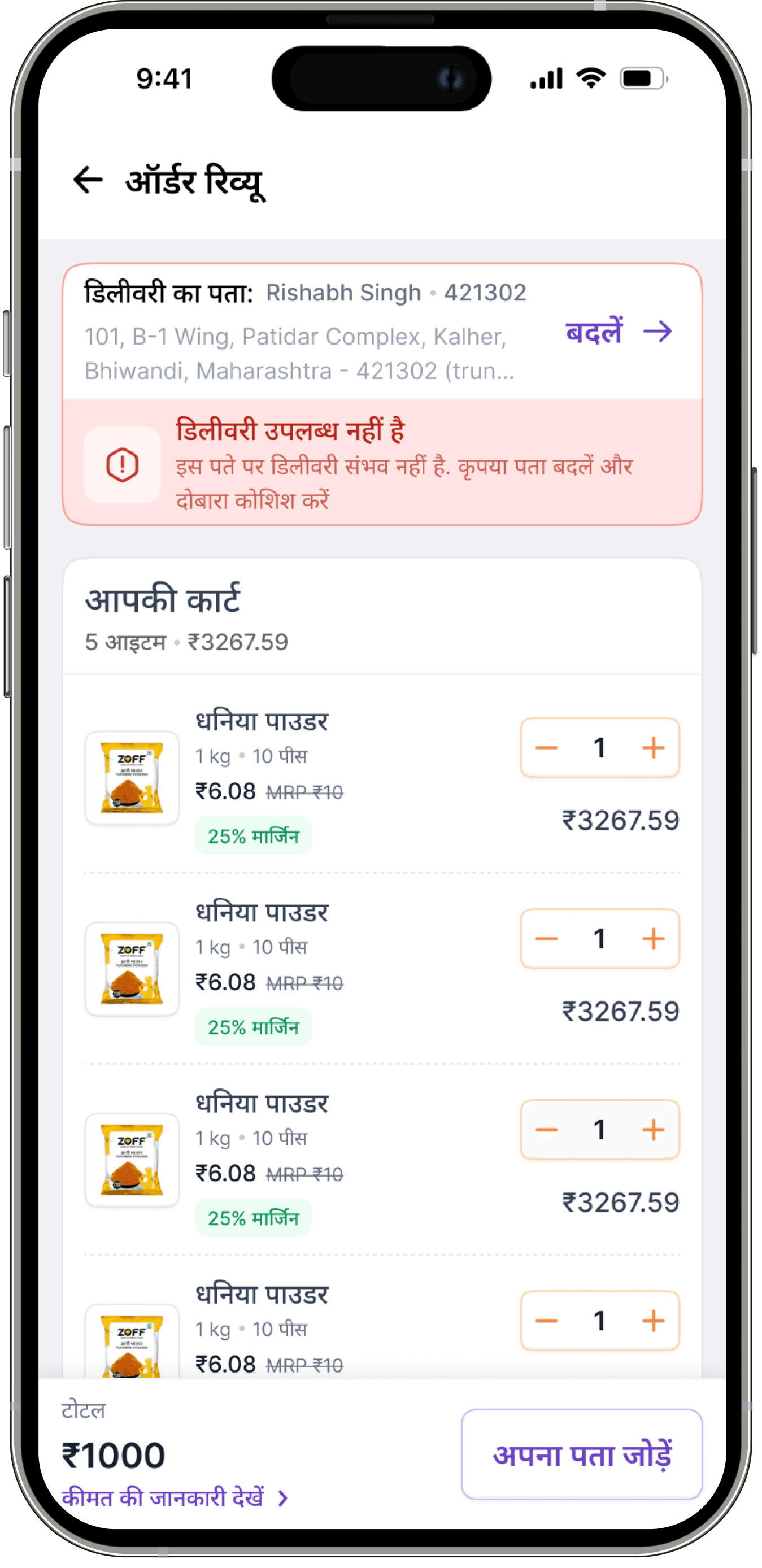
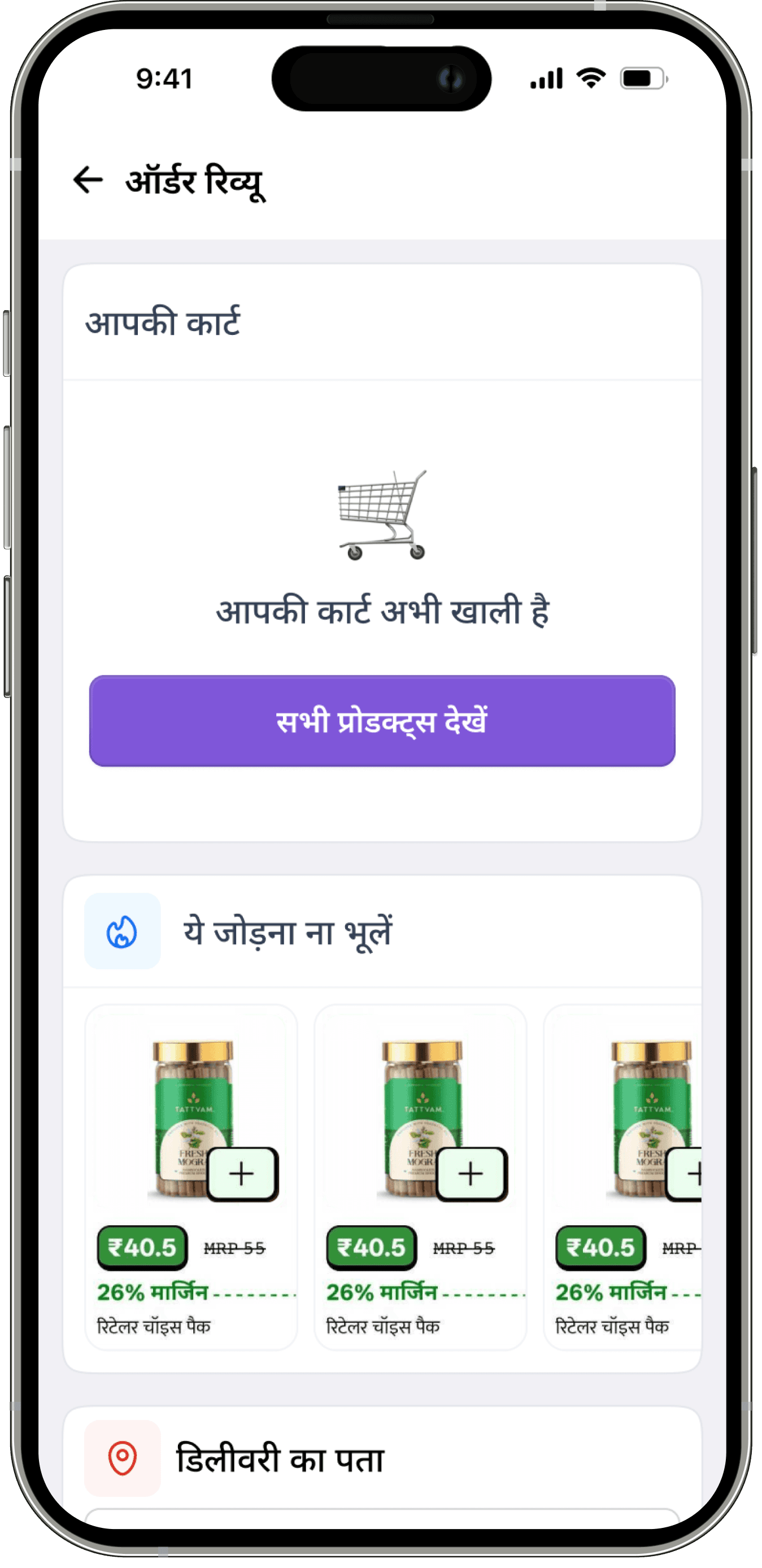
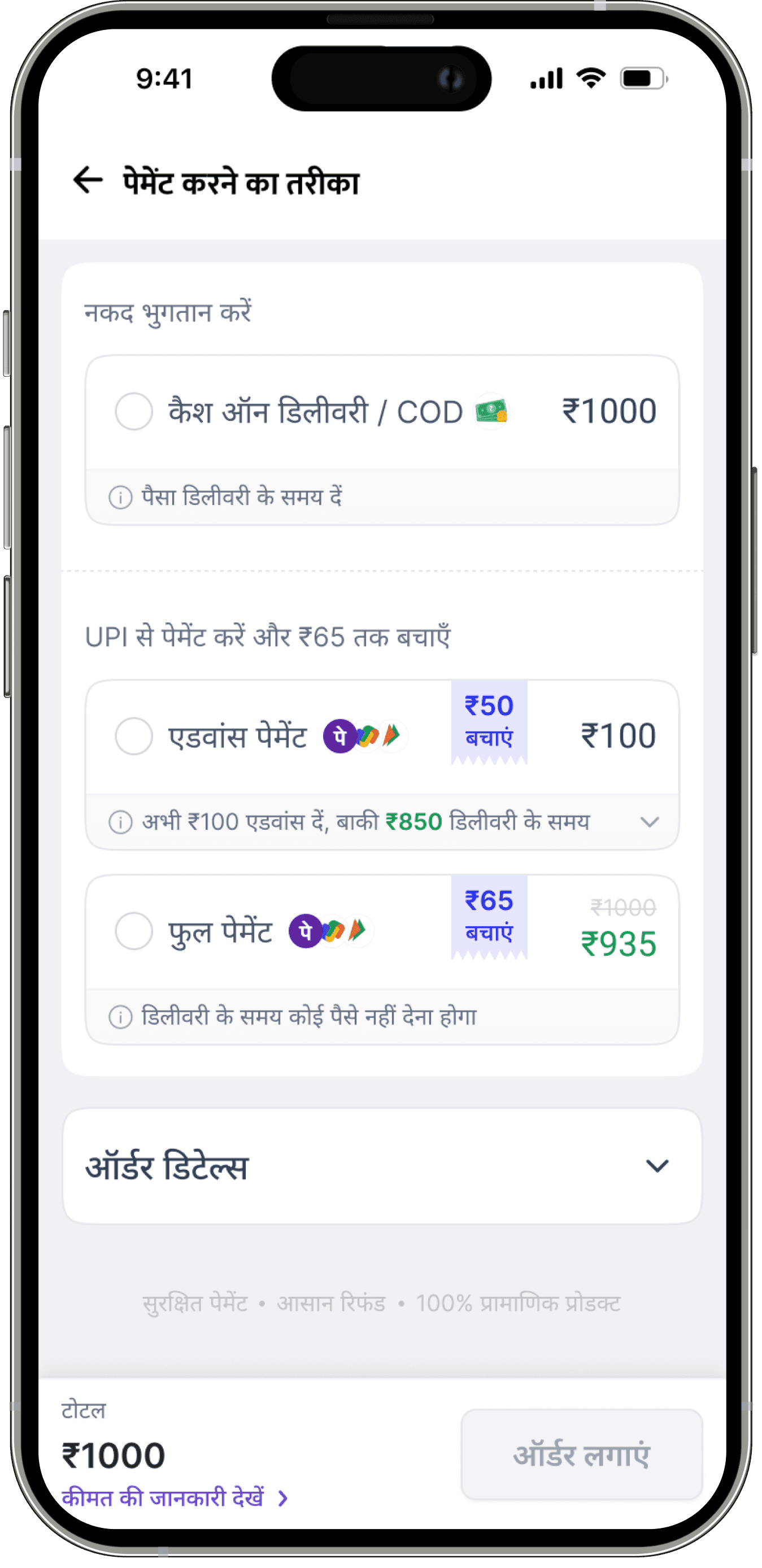
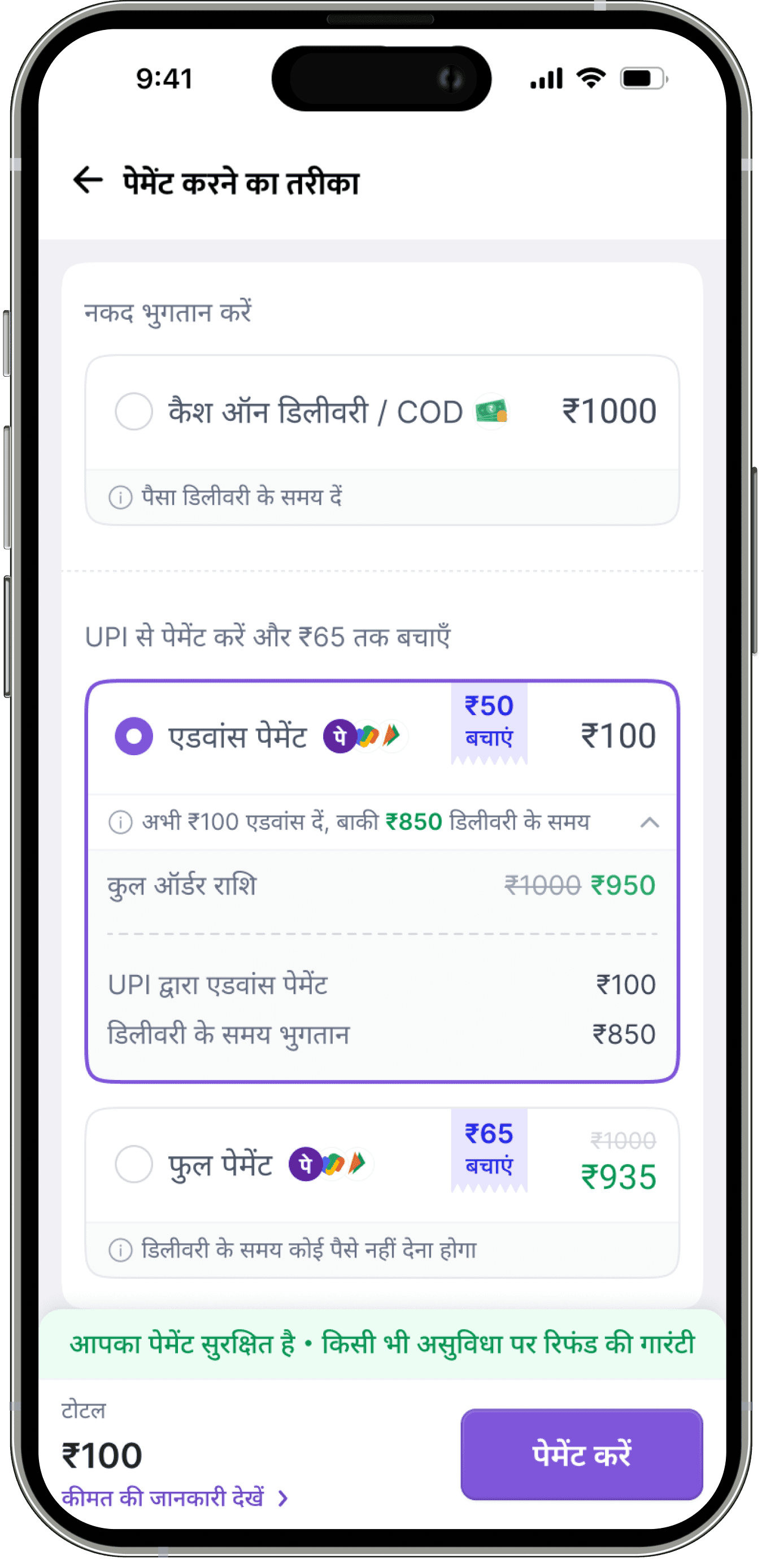
The redesign: The checkout was stripped and reordered around the user's actual decision sequence: What am I ordering → What does it cost → How does it arrive → Confirm. Price transparency moved earlier in the visual flow. The primary CTA became the dominant element on screen. Supporting detail collapsed unless relevant.
The decision that mattered most: The place order CTA had previously competed visually with secondary actions, saving addresses, changing payment methods, applying codes. Elevating it to unambiguous visual dominance wasn't a styling call. It was a commitment to what the page is actually for.
Showcase
UI Flow
impact
TAKEAWAYS & LEARNINGS